
Fair Models == Good Models
A common perception of algorithmic fairness is that fairness constraints lower model performance. I disagree. If a model is biased towards any subgroups, it is simply a poorly calibrated model. By understanding algorithmic fairness, we can build ML systems that generalize strongly and positively impact the world rather than chase an arbitrary accuracy number.
My work focuses on identifying and dismantling bias in predictive models to achieve a more equitable world while leveraging the power of machine learning.
Bias Scanning
In order to build fair predictive models, we first need to identify where the model is not working well. A simple fairness approach would be to look at metrics such as calibration and TPR for each demographic group. However, if we want to identify disparities for any intersections of sensitive attributes, the search space grows exponentially.
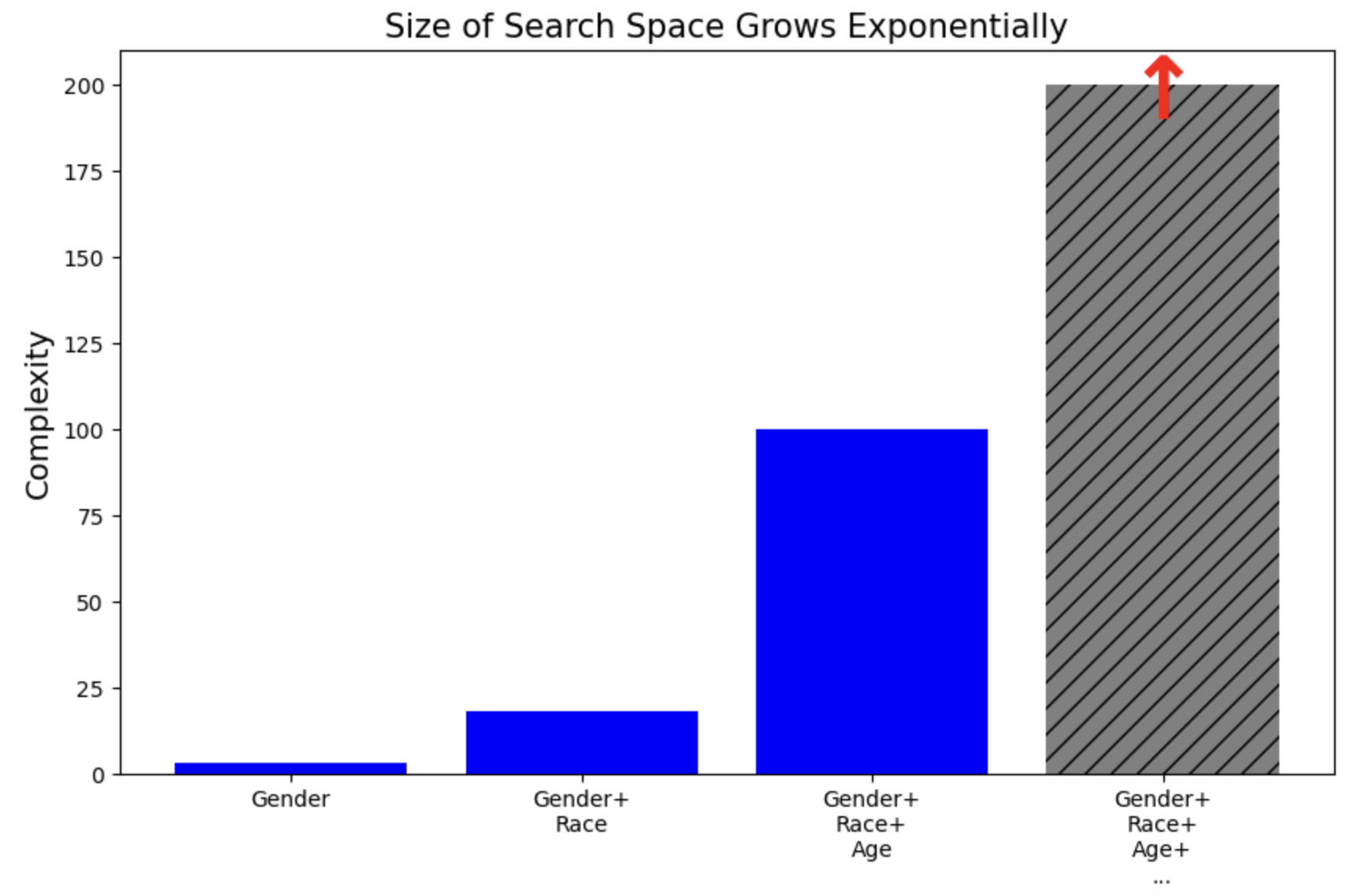
The algorithms I work on efficiently search this space in linear or near linear time, allowing for rapid identification of biased subgroups. While primary applications are in fairness, these methods can be readily adapted to different risk, robustness, or accuracy concerns in machine learning.
Understanding Machine Learning Pipelines
When ensuring algorithmic fairness, identifying data biases or constraining prediction values only fixes one part of the problem. To ensure equitable and impactful outcomes for everyone, we have to understand machine learning systems at every stage of their processes.
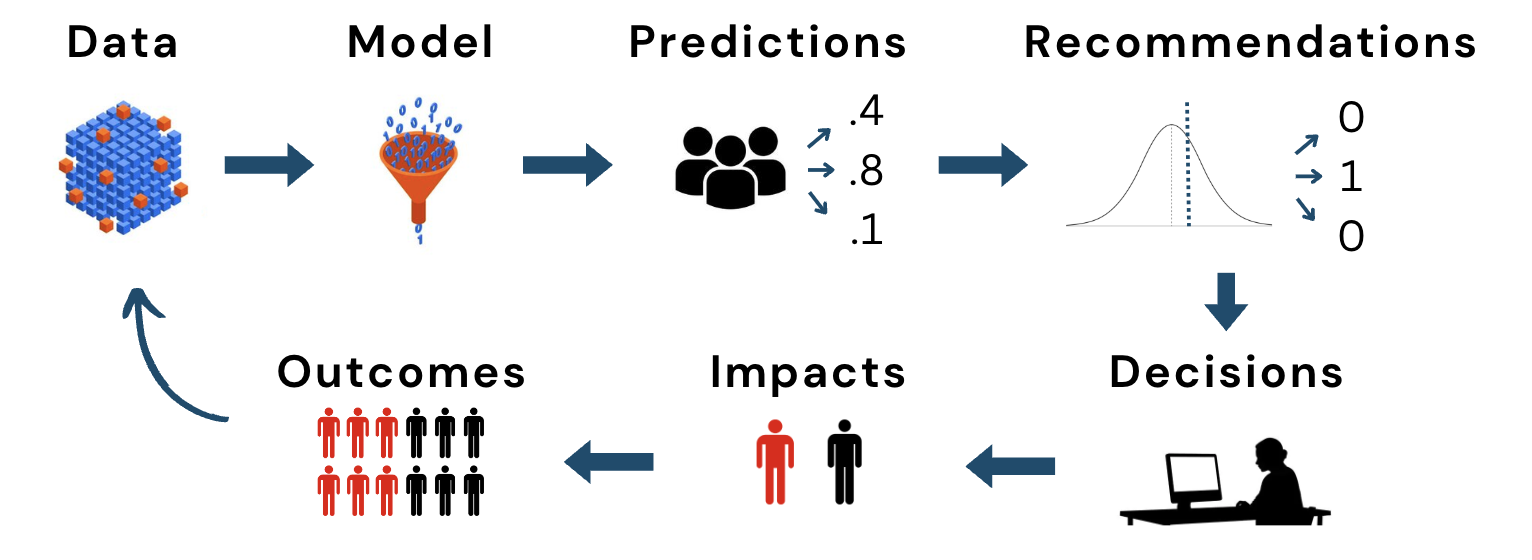
In my work (paper and codebase coming soon; reference here for now), I aim to combine a range of bias detection and mitigation techniques to study the creation and propagation of bias in machine learning systems.
Additional Interests
Large Language Models
I have some auxiliary interest and expertise in LLMs. In particular, I co-authored the leading survey paper detailing privacy risks in LLMs along with detailing current leading solutions in private training and unlearning.
I also contributed to the open source BIG-bench project, leading development of two benchmarks for LLMs
Social Media Data Science
I have prior work experience developing graph-based methods for determining hashtag similarity, which was then used to identify potential social media phishing attempts.
My Path
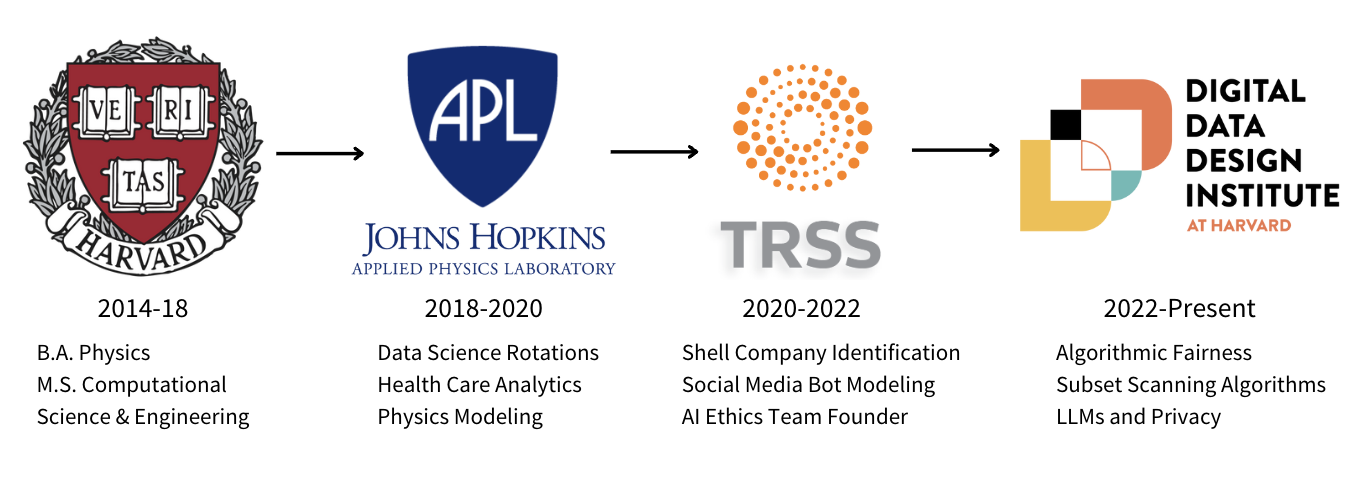
Links to some of my work!
Other Fun Facts
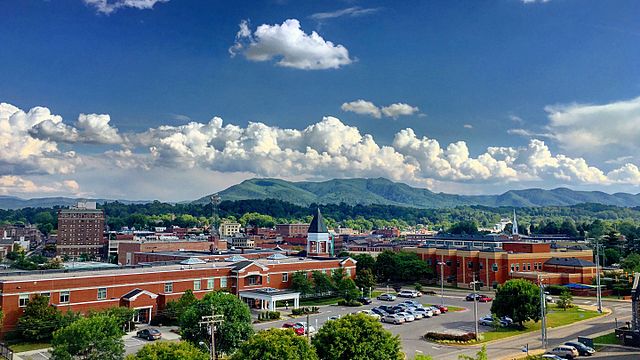
1) I grew up in Johnson City in the hills of East Tennessee (Hurricane Helene relief fund!).
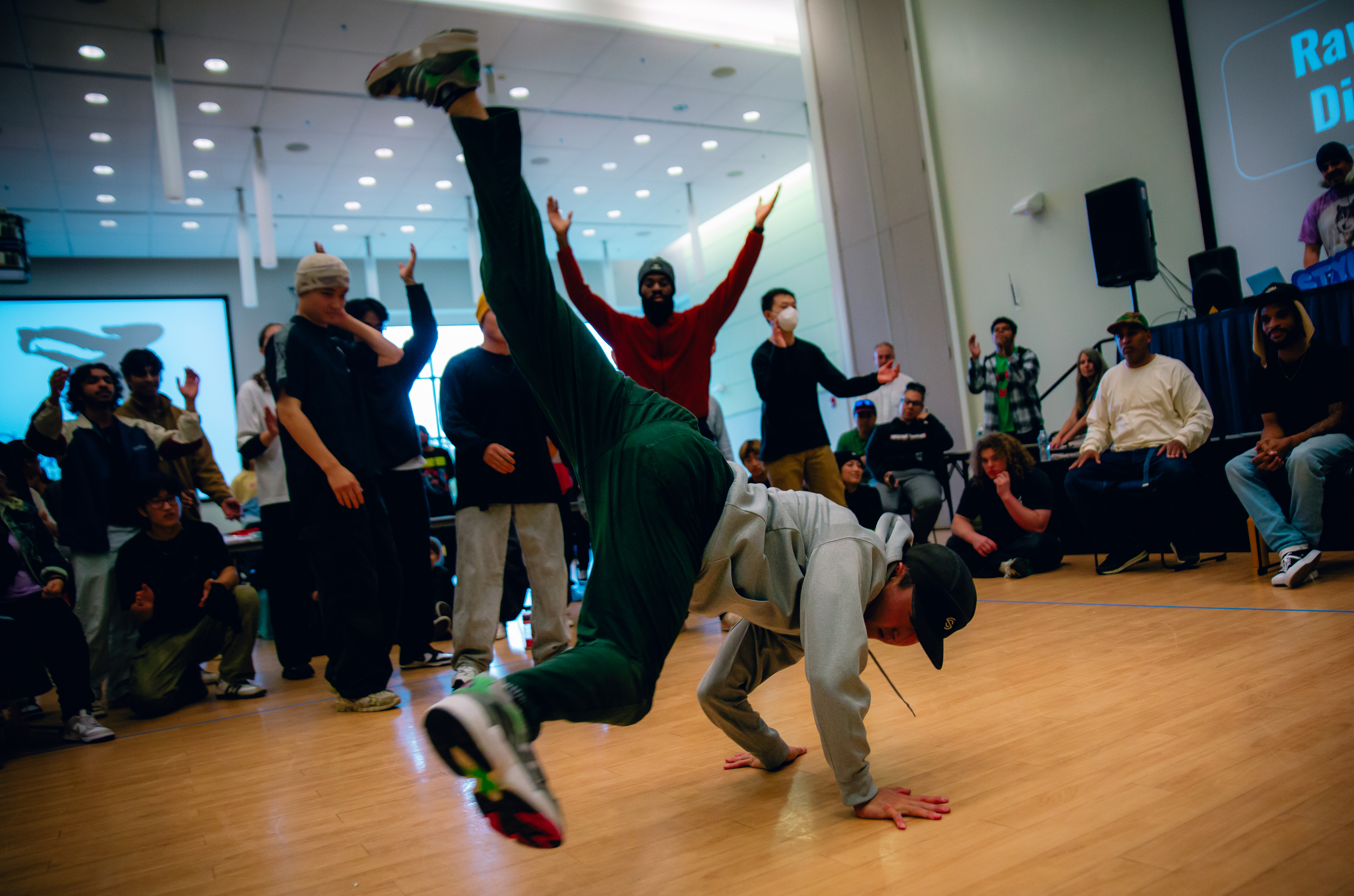
2) I travel around the world for breaking (breakdance) competitions and help organize many events in the US.
3) I played golf extensively growing up, briefly walking on to the Harvard team.